
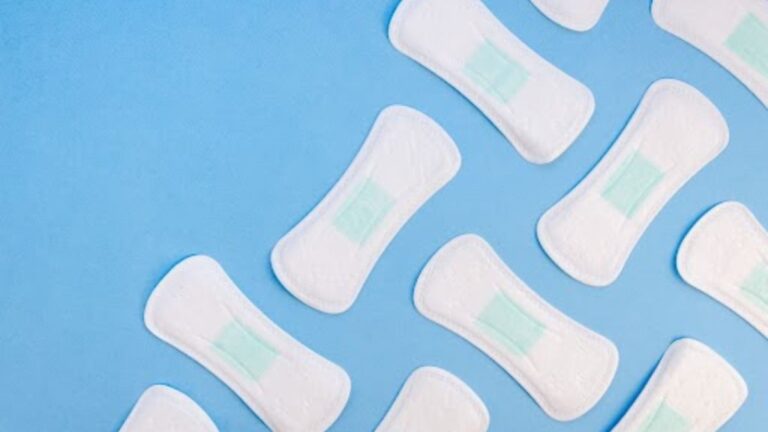
In today’s world, where sustainability drives buying behavior, an eco-friendly sanitary pad is an optimal choice for modern women who prioritise their own health as well as the health of the planet. There is a growing consciousness about the environmental damage caused by traditional menstrual products and we are starting to see biodegradable, organic and toxin free sanitary pads that are more compatible with a cleaner, greener future.
From materials and benefits to environmental impact and use, this all-you-should-know guide covers everything about sustainable sanitary pads.
Table of Contents
What Are Eco-Friendly Sanitary Pads
Sanitary pads made with materials that are less harmful to the environment are called eco-friendly sanitary pads. Instead of being laden with plastic and toxic chemicals like their traditional counterparts, they are free from those materials. These are pads that are made to digest more easily after use. Many brands prioritize natural fibers and sustainable production. They provide a more earth-conscious choice for women seeking to minimize waste on their periods.
Types of Sustainable Pad Materials
Sustainable pad materials are made from components such as organic cotton, bamboo fiber, bioplastics (derived from corn), and plant-based cellulose. These materials are selected because they are renewable and have a smaller impact on the earth. Some are grown without the use of pesticides or synthetic fertilizers. Others such as Natracare tampons and pads, are marketed as breaking down more quickly than traditional plastic based ones. Material selection has a large influence on the environmental impact.
Organic Cotton Sanitary Pads
Organic cotton pad is made of cotton that has been grown without the use of toxic chemicals. That makes them softer on sensitive skin and better for the farmers and the environment. Typically they’ll have less artificial additives or fragrances at all. A lot of women opt for organic cotton because it’s soft and breathable, among other things. It’s an easy change to make to support both personal comfort and the environment.
Biodegradable Pad Options
Biodegradable pads are meant to degrade naturally after a period of time. They apply plant-based ingredients rather than plastic-heavy materials. Decompose a lot faster than regular pads when you throw them away in the right place. This contributes to reducing landfill waste and pollution. Opting for the biodegradable variety is part of reducing your environmental footprint.
Reusable Cloth Pads
reusable cloth pads can be cleaned and used again. They are usually made from cotton or bamboo material. They need to be washed each time they are used, but they do create far less waste in the long run. A lot of women say they are soft and comfortable and save money in the long run. Reusable pads can last for years when cared for properly.
Compostable Sanitary Products
Sanitary products that can be composted are made to fully disintegrate in a composting environment. They are composed of natural fibers that biodegrade without producing toxic residues. Sanitary items are not accepted in every composting program, so make sure to check your local regulations. They have the ability to reduce the strain on the environment when properly handled. Compostable alternatives are becoming more popular with green minded users.
Chemical-Free Pad Alternatives
Organic pads are free of synthetic fragrances, dyes and chlorine bleaching. These ingredients are common in traditional products but can irritate some women. Selecting chemical-free product versions can be a more natural, gentler approach to living. They also minimize your contact with potentially harmful chemicals. For many it’s just part of a cleaner way of living.
Comparing Disposable and Reusable Pads
Disposable green pads are convenient, but they do make waste. Reusable pads take washing, but reduce the contribution to the landfill considerably. The right choice is a personal one which depends on your lifestyle, comfort levels and availability of washing facilities. There are even some women who use a combination of the two. comparing the two will help you determine which is better for your routine.
Proper Disposal Methods
Disposal is important, albeit with green pads. Used pads should be wrapped and thrown away. If the product is compostable, compost in accordance with the instructions. Don’t flush any kind of pad down the toilet. To sum it up, sustainable waste management is a key in the long-term sustainability.
Choosing the Right Sustainable Pad
Finding the perfect sustainable pad for your needs will be heavily based on your flow, what makes you feel comfortable, and what your day entails.Look at the absorbency levels, material and your preference between reusable and disposable types. Reading the labels allows you to know what is in the product. It might be a matter of trial and error until you find your perfect match. And when you do, you’ll know you’re making a decision that’s good for you and the planet.
Conclusion
Eco-friendly sanitary pads are a considerate choice for women who value comfort and the environment. Selecting sustainable materials and production methods allows you to contribute to the reduction of waste and pollution. You make a difference for the environment all year long with simple changes in how you care for your period. From biodegradable to washable, you can find an option that suits your lifestyle and preferences, and budget. Sustainable choices enable the contemporary woman to nourish herself and the planet.
